
StaThat’s correct—the clock is ticking toward that Wednesday, April 22 deadline. Given how the last 48 hours have played out, "precarious" might be an understatement for the state of this two-week truce.
As of today, Sunday, the situation has taken a sharp turn back toward escalation. Here’s a quick breakdown of where things stand
The truce halted direct military confrontations amid the 2026 Iran war, mediated by Pakistan, with the US suspending operations and Iran agreeing to reopen the Strait of Hormuz for safe passage.
It followed US threats and Iranian closure of the strait, a key oil route
The Wednesday Deadline
The two-week agreement brokered by Pakistan on April 8 is officially set to expire this Wednesday. While it was intended to create space for "Phase 2" negotiations in Islamabad, those talks have largely stalled.
The negotiations, however, did not result in a final deal.
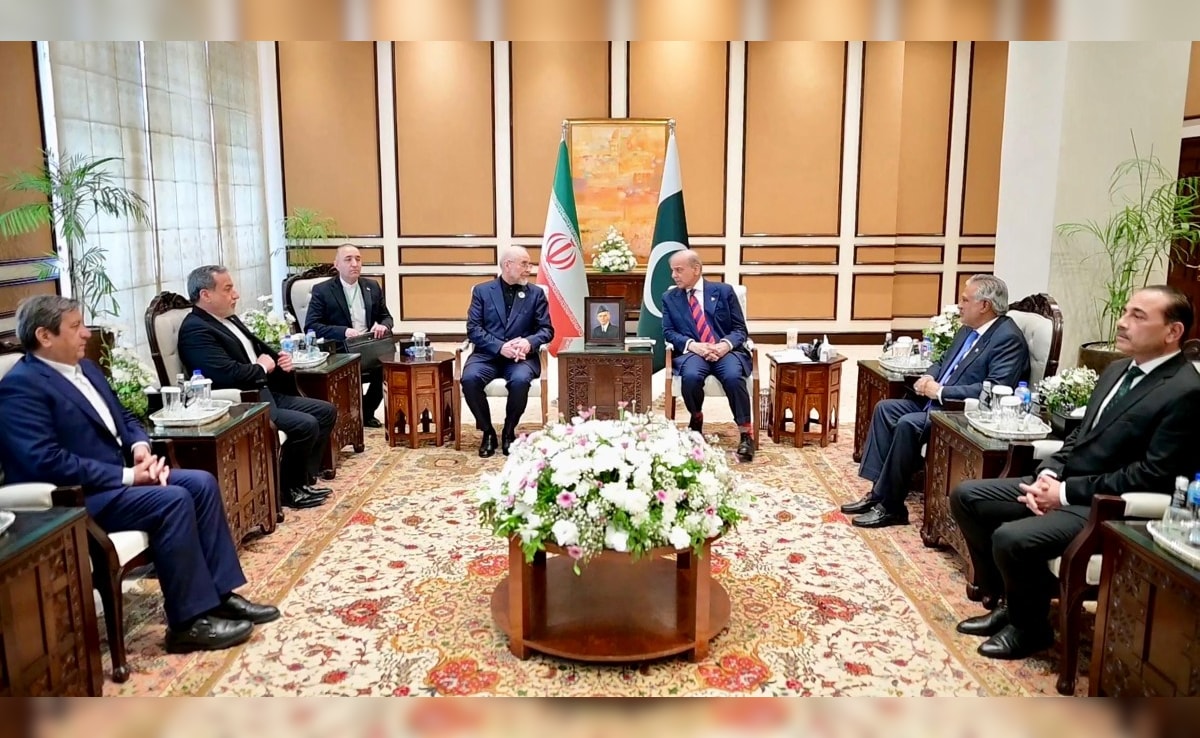
Mohammad Bagher Ghalibaf and Iran Foreign Minister Abbas Araghchi with Pakistan PM Shehbaz Sharif and Army Chief Syed Asim Munir before the US-Iran peace talks in Islamabad
Iran's deputy foreign minister Saeed Khatibzadeh has said that no date has been set for the next round of negotiations with the US.
Speaking on the sidelines of a diplomacy forum in Antalya, he said Tehran is prioritising the finalisation of a “framework of understanding” before committing to further talks. CNN had reported that the next rounds of talks were scheduled for Monday in Islamabad.
StraiPresident Trump has stated that the U.S. naval blockade will remain in "full force and effect" and has threatened to let the ceasefire expire on Wednesday unless a comprehensive agreement is signed.
The Uranium Dispute: The U.S. is reportedly offering to unfreeze $20 billion in Iranian assets in exchange for Iran transferring its enriched uranium out of the country.
Iranian Refusal: Iranian officials have flatly rejected the idea of exporting their uranium stockpile. Meanwhile, Parliament Speaker Mohammad Bagher Ghalibaf has framed the current situation as a strategic victory, arguing that the U.S. has failed to achieve its primary objectives of regime change or securing the Strait.
Hormuz Re-closure
Yesterday (Saturday, April 18), Iran announced it was fully closing the Strait of Hormuz again and reportedly fired on vessels attempting to pass. This was a direct retaliation for the United States refusing to lift its naval blockade of Iranian ports.
Global Impact
The uncertainty surrounding Wednesday's deadline is already sending shockwaves through the financial sector. With a fifth of the world’s globally traded oil normally passing through the Strait of Hormuz, the renewed maritime skirmishes and the threat of a return to the intense strikes of Operation Epic Fury have caused crude oil futures to surge. The international community is currently looking to the ongoing mediation talks in Islamabad for a last-minute breakthrough.